

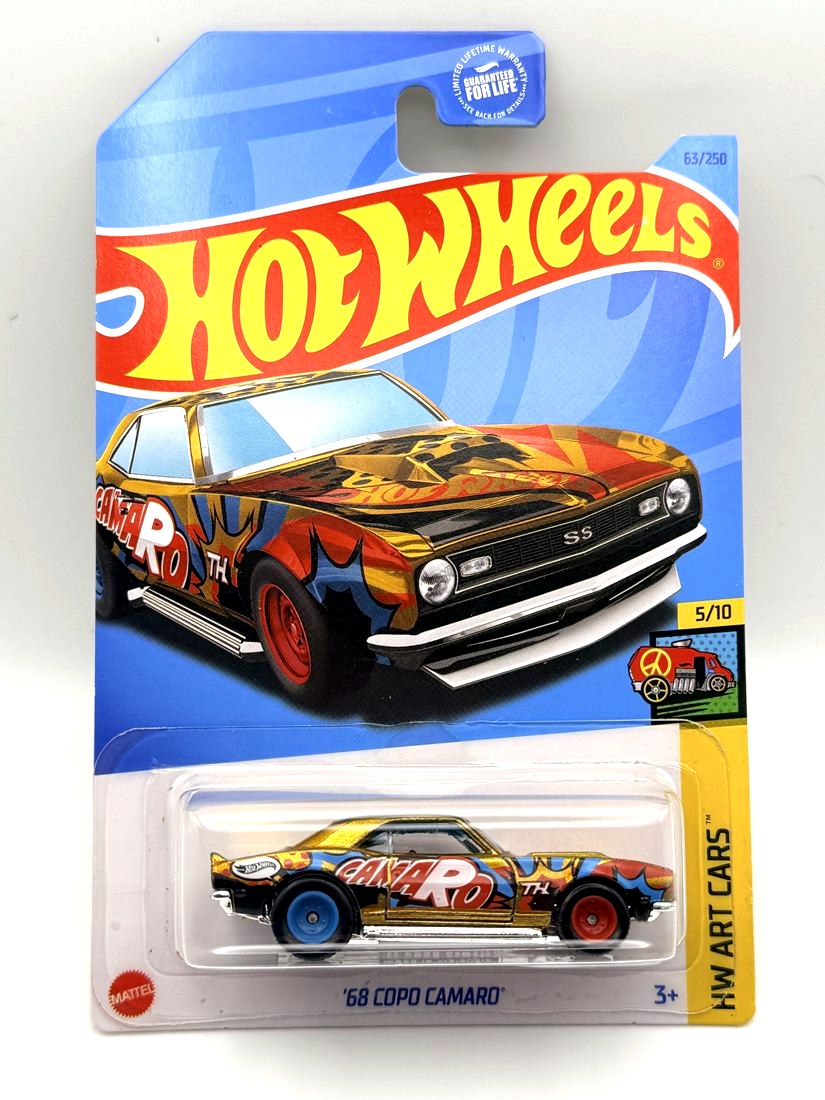
New buyers see a premium casting come up on a live show, opening bid one dollar, and their first thought is "there's a catch." There isn't. That dollar start is doing a job, and it's the same job on the cheap mainline and the hundred-dollar grail. Understanding it is the difference between watching from the sidelines and knowing exactly when to jump in.
So here's what's really going on when a good car opens low, and why the live format can land you a better deal than the peg wall or the resale sites.
Why a dollar start actually works
A low opening bid isn't the seller undervaluing the car. It's an invitation. Start a good casting at its "real" price and the room stays quiet, everybody's waiting to see if it's worth it. Start it at a buck and hands go up, because at a dollar, why not? Once two or three people are in, the car has momentum, and momentum is what carries a price to where it belongs.
- It lowers the barrier to that first bid. The hardest bid to get is the first one. A dollar makes it effortless.
- It builds a crowd around the car. More bidders in early means a more honest final price, not fewer.
- It's genuinely fun. The climb from a dollar is the part everybody leans in for. That energy is the whole point of buying live instead of clicking a button.
The room sets the price, not a sticker
On a peg or a resale listing, one person picks a number and it sits there. In a live auction, the price is decided in real time by everyone who wants the car that night. That's a more honest read on what a casting is actually worth right now, and it cuts both ways in your favor:
- On a hot car, the price finds its true level fast, no guessing whether a listing is fair.
- On a quiet night, that same car might land well under what a shop would ask, because the room just happens to be small. That's not a glitch, that's your opening.
How it beats the peg wall and the resale sites
Live buying isn't just cheaper sometimes, it fixes a few things collectors are tired of:
- No scalper markup. You're buying straight from a seller in real time, not from someone who cleared the peg to flip it at triple.
- You see the car in hand. Held to the camera, carded or loose, flaws and all, before you spend a cent. Try getting that from a stock photo.
- Shipping works in your favor. Win a few and they ship together, so the per-car cost drops instead of paying full postage on every single order. (We broke that down in Live-Buying 101.)
- No empty pegs. The good stuff comes to you on a schedule, instead of losing another Saturday to a picked-clean aisle.
When you actually get a steal
The best live deals aren't random, they follow a pattern. Keep an eye out for:
- Quiet lots. A car that comes up when the room is thin can close for a fraction of its going rate.
- The car nobody else is chasing. If you love a casting the rest of the room is lukewarm on, that's a bargain hiding in plain sight.
- Late in the show. As the room thins out, competition drops and the deals get sweeter.
What a fair win feels like
The dollar start is a great on-ramp, but the finish line is still up to you. Decide what a car is worth to you before the timer starts, bid to that number, and let it go if it climbs past. Do that and the low opening is pure upside: you're either getting a steal on a quiet lot, or paying a price the whole room agreed was fair. Either way you didn't overpay, and you had fun getting there.
Want to watch a dollar climb to its real number? Tap follow on the Cast's Garage show and catch the next live drop. Premiums on Real Riders, chases, and lots that open at a buck, come see where they land.
A dollar isn't the price. It's the starting line. See you at the next one.